


Explore 8 creative industries and find your way in.
Two years of hands-on projects, studio visits and a portfolio to show for it.
Year 2: Mon and Tue


What You'll Learn
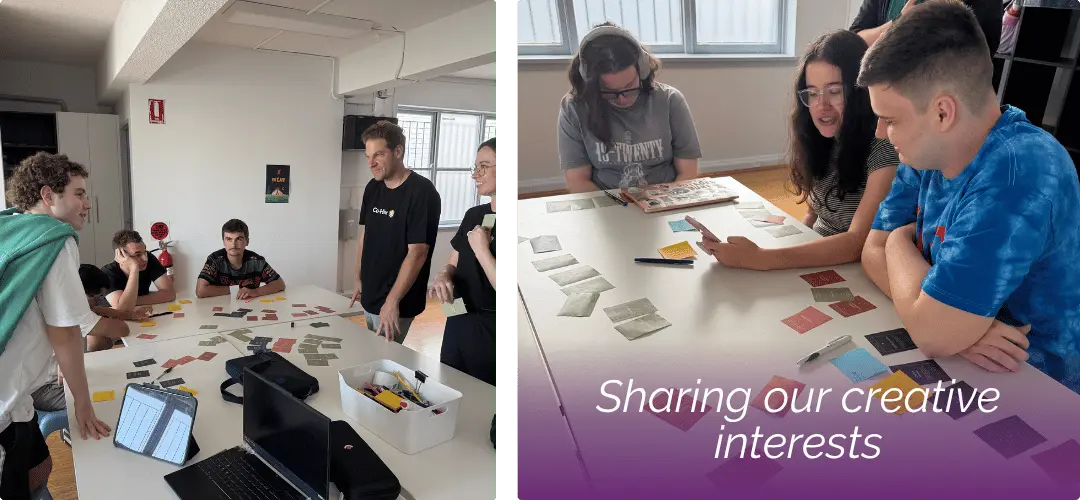
Explore eight creative industries, including design, audio, film, photography, animation, theatre, visual arts and live events.
Learn creative and workplace skills through hands-on practice.
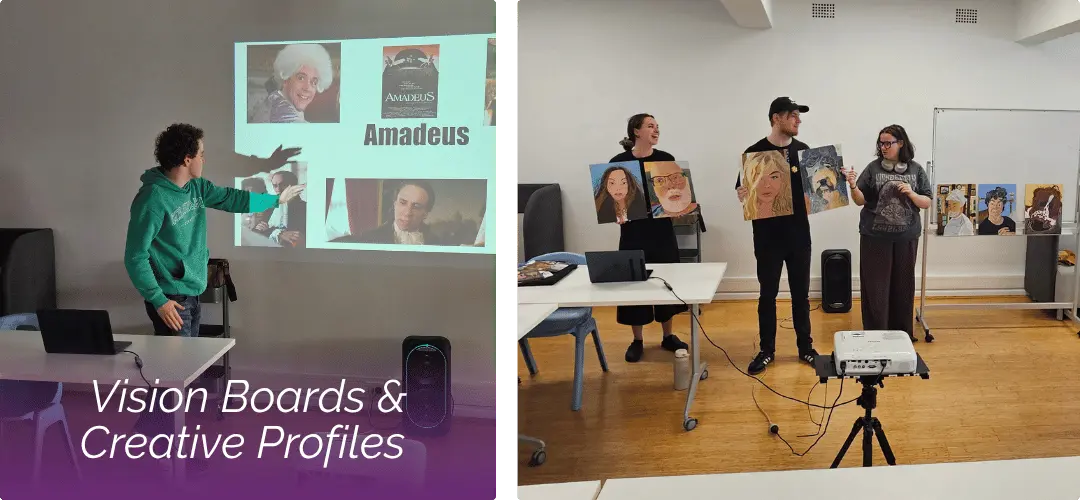
Complete practical projects and build a portfolio of work.
Real-World Connections
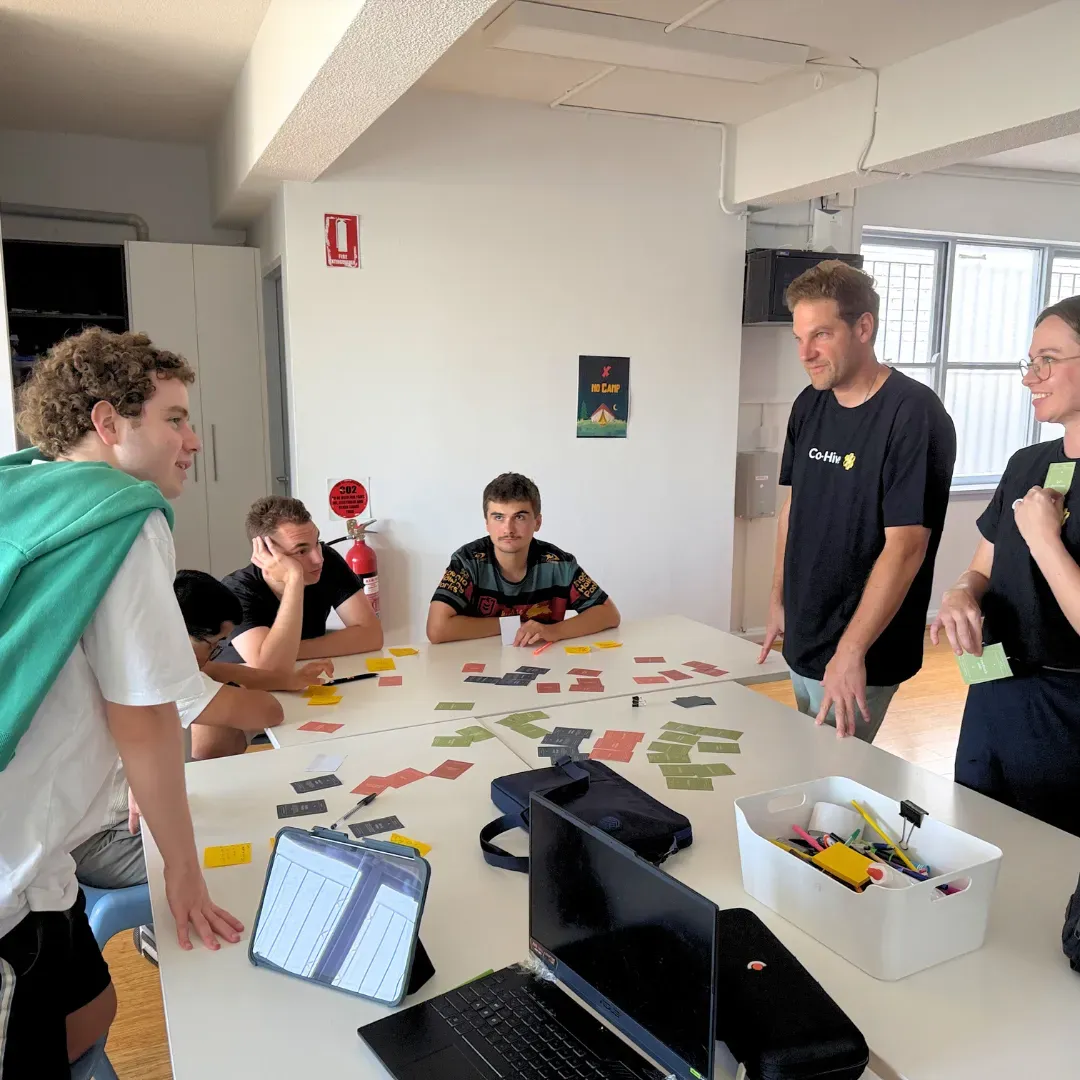
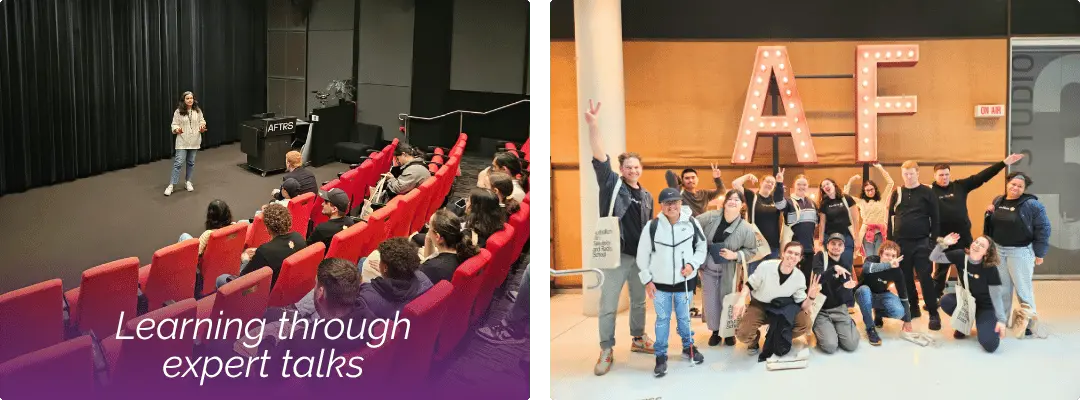
Meet employers, industry professionals and educators on excursions.
Experience workplaces and community projects.
Try volunteering and work experience, where available.
Run your own stall at the Creative Marketplace each year.
Who This Is For
Young adults who are curious about creative industries.
People with an interest in exploring, practising and improving.
Comfortable with basic tech and working independently.
No need to already be an accomplished artist or musician.
Designed for your future
A structured stepping stone with set tasks, homework and a finished portfolio. It shows you what is out there, builds skills you can take anywhere and starts your network.
What it is not
It does not guarantee a job or a qualification, and it is not a registered qualification. It is not a drop-in art or music session.
8 industries. 2 years.
One module per term. Here’s what you’ll learn and make in each.
Year 1
Visual Communication & Graphic Design
How images, words and layouts share ideas with an audience, and how designers work to a brief.
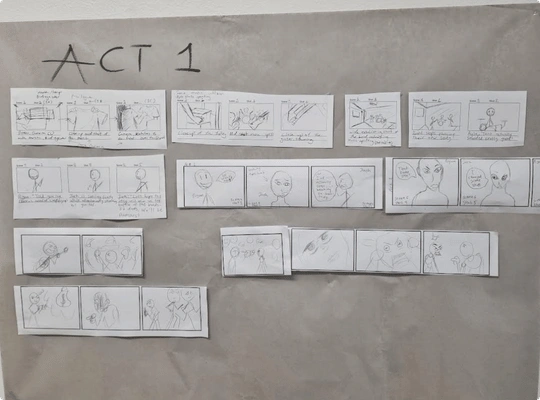
Visual communication: sketch characters in Procreate and lay out your own comic strip or storyboard in Canva.
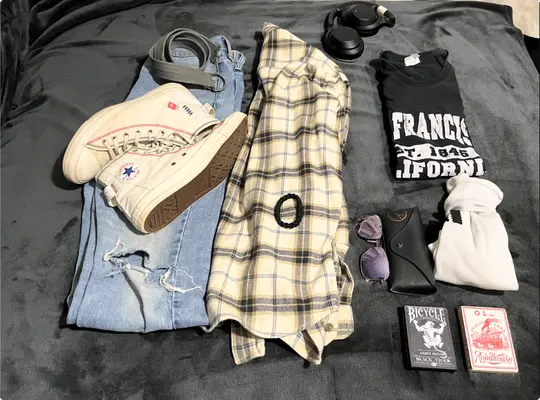
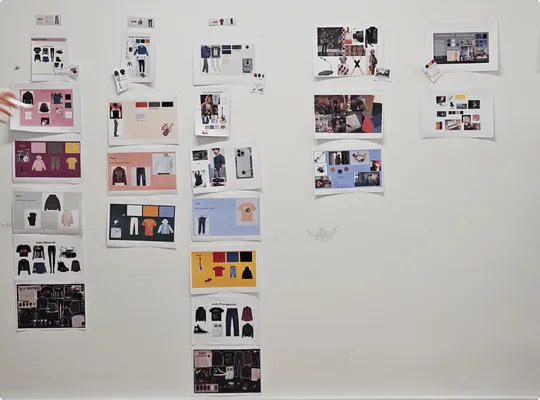
Graphic design: design a festival poster, invent a streetwear label and produce your first piece of merch.
Where it can lead. Study: Certificate III in Design Fundamentals, Certificate IV in Design, Diploma of Graphic Design. Work: illustrator, storyboard artist, graphic designer, print and merch designer.
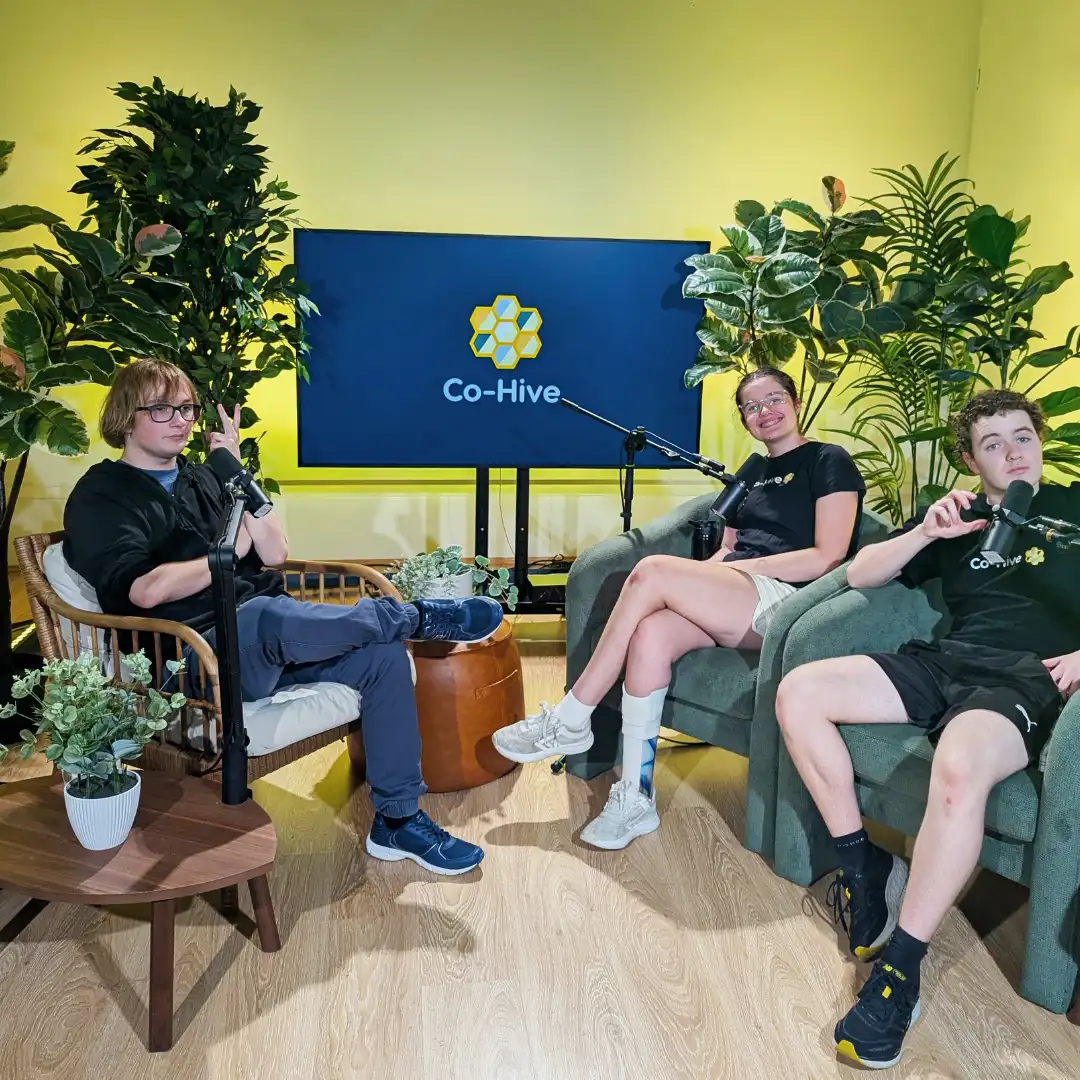
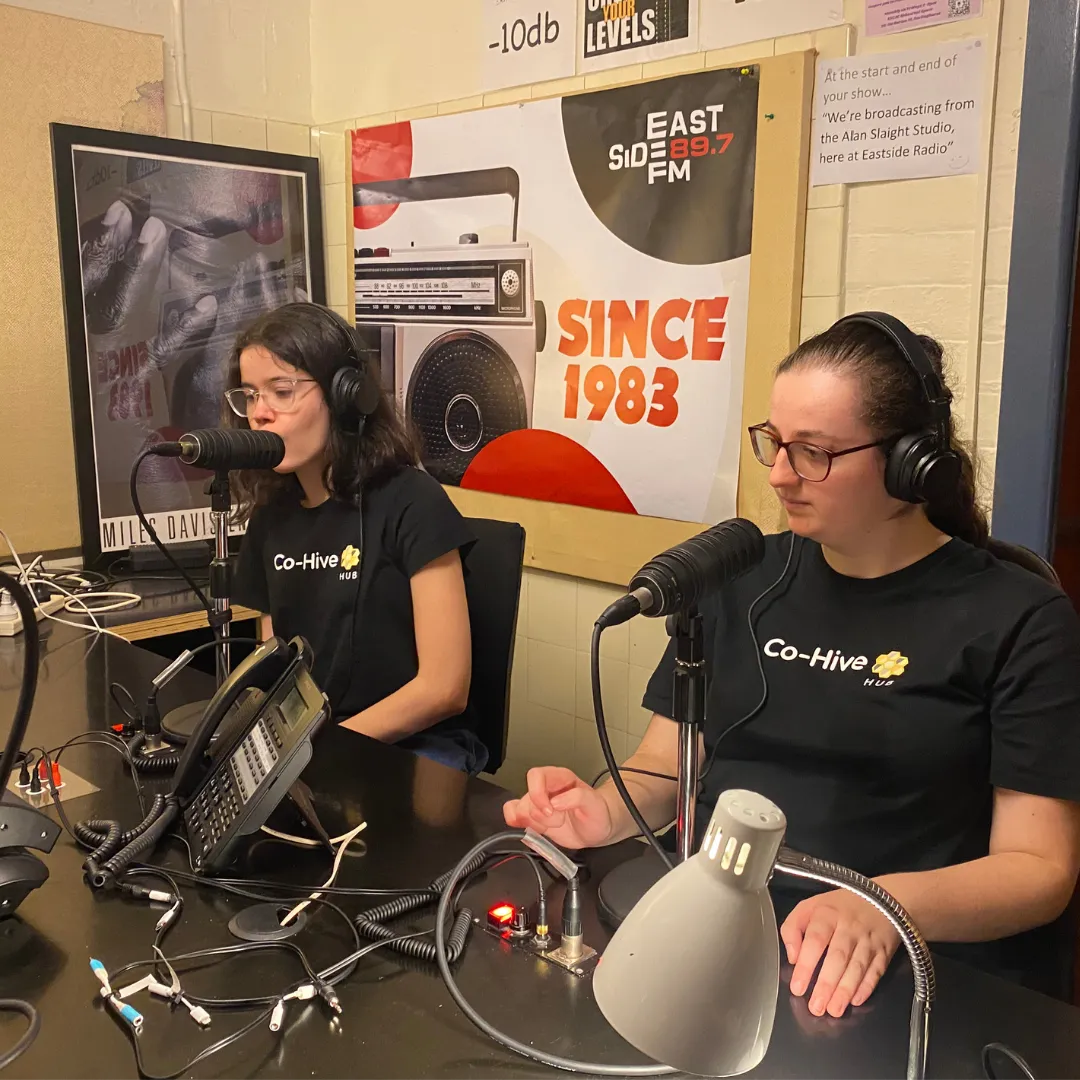
Podcasting & Radio Broadcasting
How audio stories are planned, recorded, edited and presented, including interviewing, scripting and speaking with confidence.
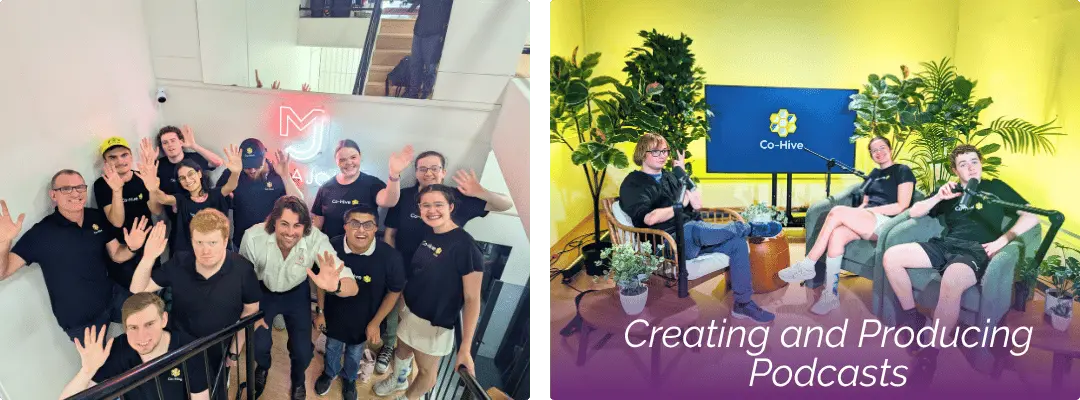
Podcasting: record with a podcast mic and edit in Audacity to produce your own episode.
Radio broadcasting: write a script, make a station jingle in GarageBand and run a breakfast show with a music countdown and live trivia.
Where it can lead. Study: Certificates III and IV in Screen and Media. Work: podcast producer, audio editor, radio production assistant, community radio.
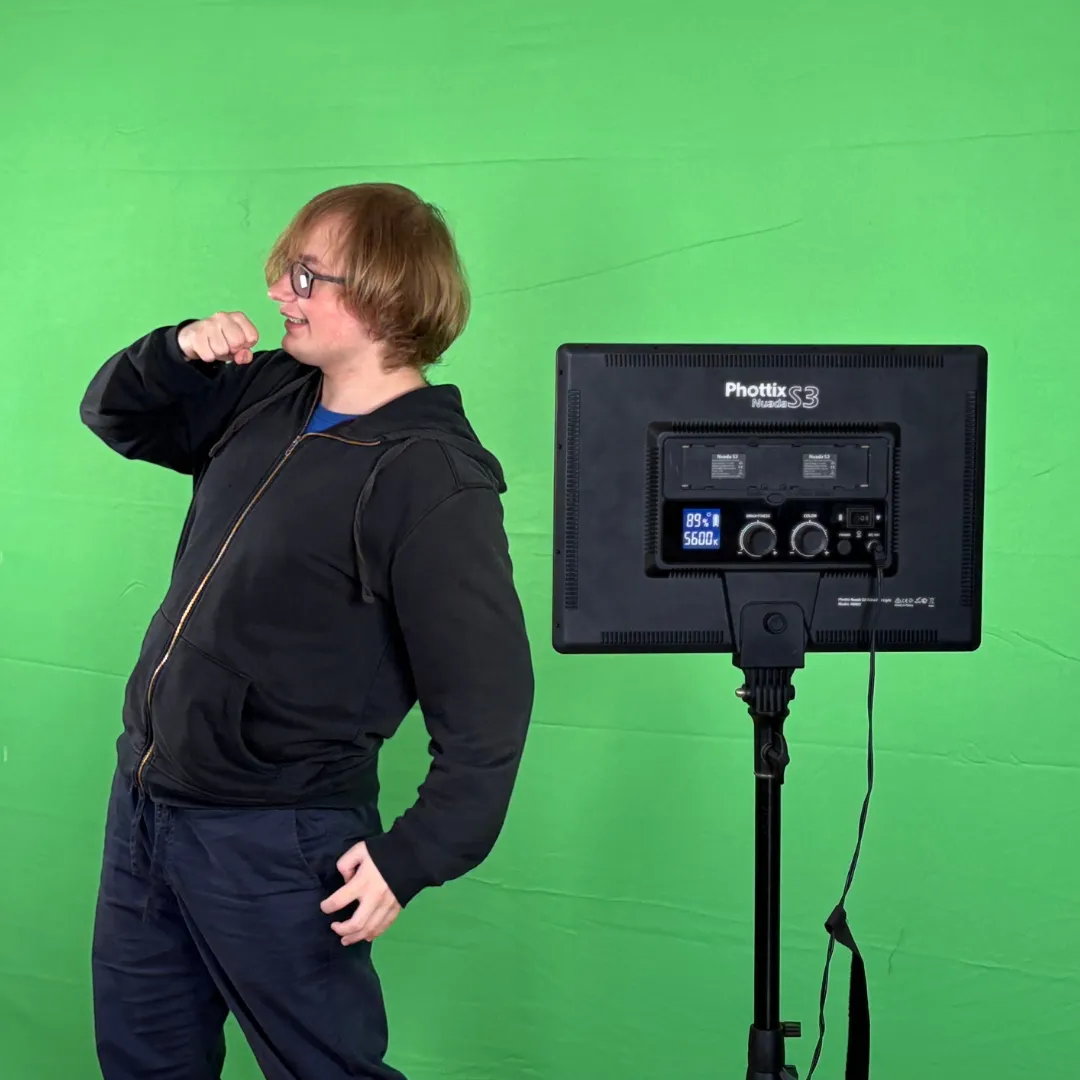
Film & Television
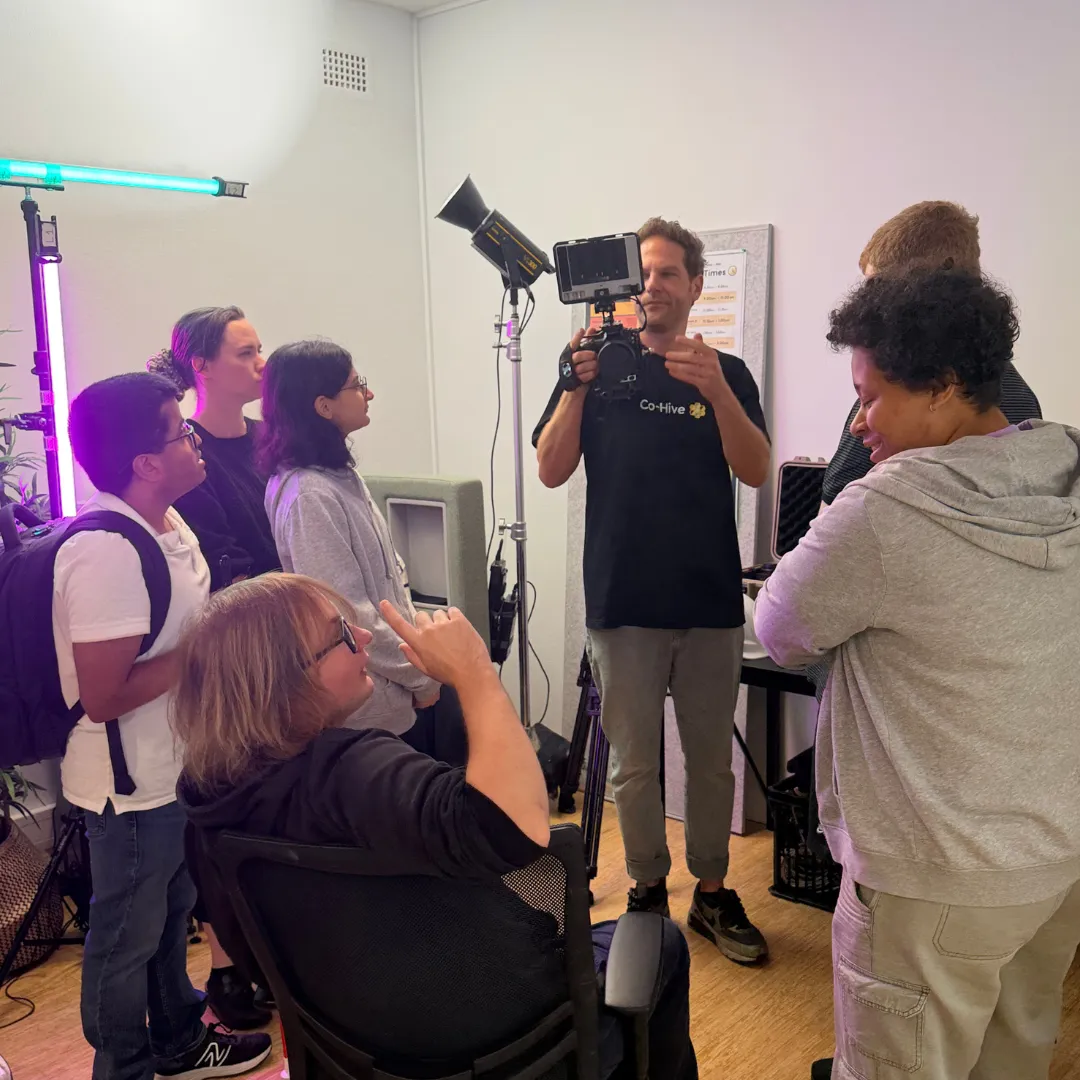
How stories are shaped for the screen, through camera, lighting, sound, editing and teamwork on set.
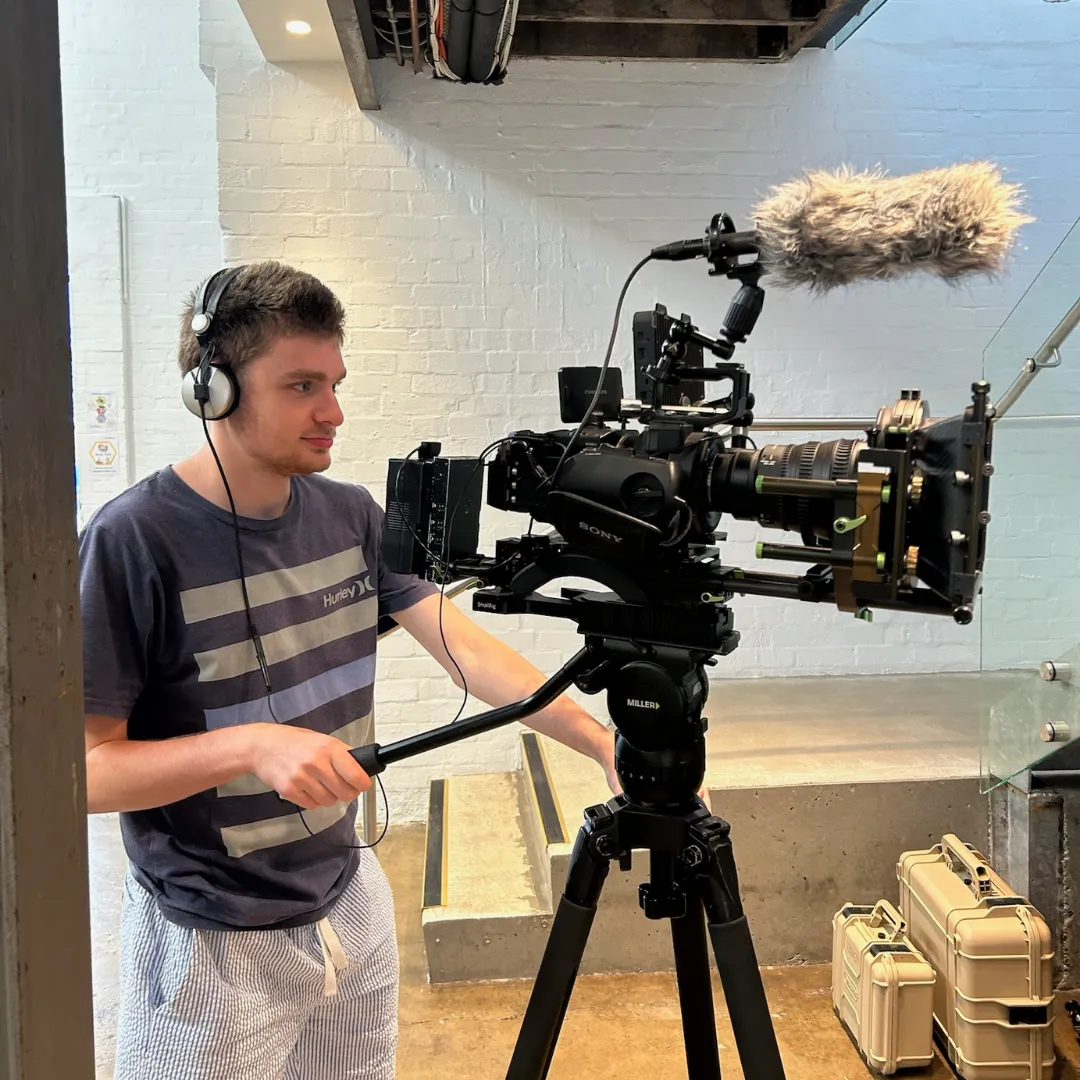
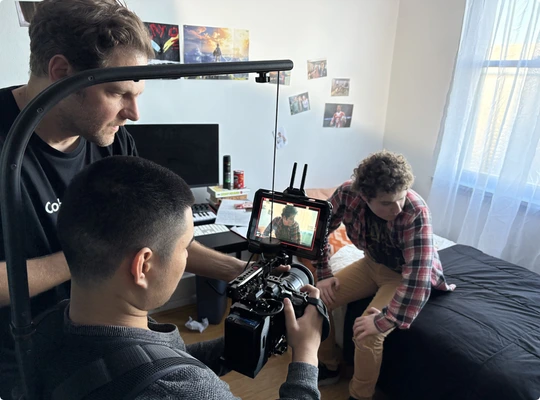
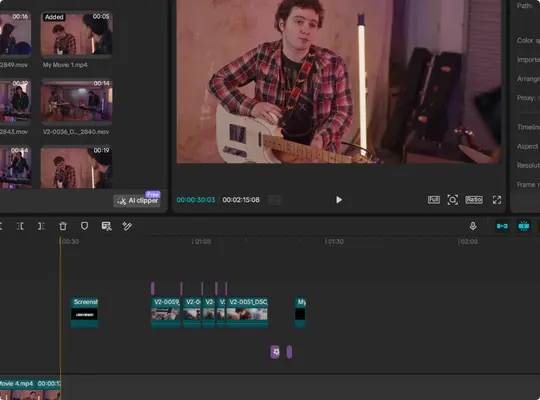
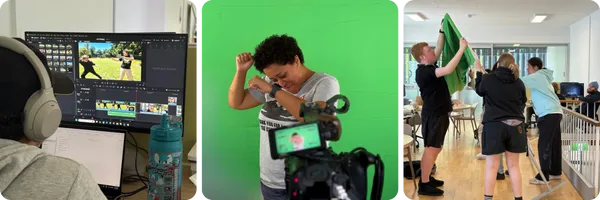
Film production: shoot and edit a trailer as a crew, using cinema cameras, boom mics and DaVinci Resolve.
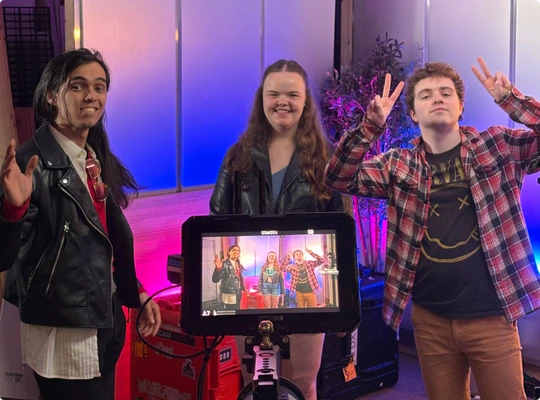
Television production: cue presenters, switch cameras on a vision switcher and record your own TV game show.
Where it can lead. Study: Certificates III and IV in Screen and Media, Diploma of Screen and Media. Work: camera assistant, editor, production assistant, studio crew.
Photography & Content Creation
How images and short videos are planned, captured, edited and shared for a purpose and an audience.
Photography: use a DSLR camera, edit in Adobe Lightroom and work on set for a portrait or fashion shoot.
Content creation: shoot on location in the city and design a Reel, carousel or image post in Canva.
Where it can lead. Study: Certificate IV in Photography and Digital Imaging, Certificates III and IV in Screen and Media. Work: photographer, photo editor, social media content creator, digital marketing assistant.
Year 2
Animation & Game Design
How animators and game designers plan characters, movement, rules and levels, and test them with real players.
Animation: make your own stop-motion short with a phone, a tripod and Stop Motion Studio.
Game design: build a level in Scratch, then an escape-room game made with AI for classmates to crack.
Where it can lead. Study: Certificates III and IV in Screen and Media (animation or games focus), or IT study. Work: animation assistant, motion graphics assistant, game tester, junior game designer.
Theatre & Live Entertainment
How live performances are created on stage and behind the scenes: voice, movement, timing, set design and show cues.
Theatre and performance: rehearse and perform your own short scene for a live audience.
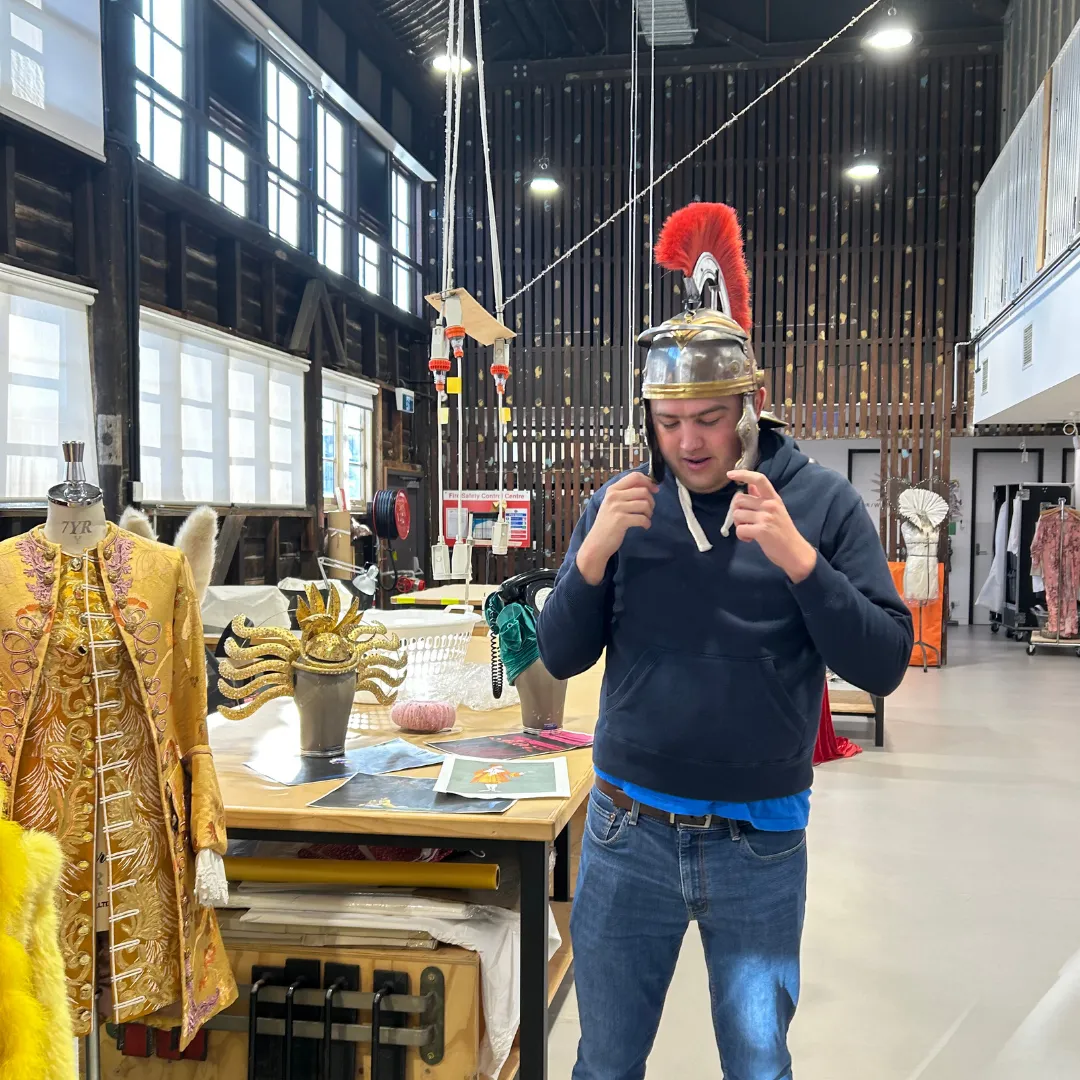
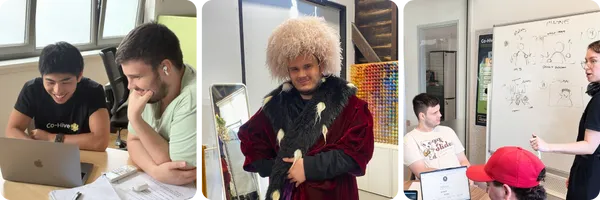
Backstage and production: visualise a set with AI, cue sound with QLab and build a miniature set with props and lighting.
Where it can lead. Study: Certificate III in Community Dance, Theatre and Events, Certificate III in Live Production and Technical Services. Work: performer, community arts worker, stage crew, props maker, sound cue operator.
Visual Arts & Product Design
How artists and designers turn ideas into finished works and products, through research, sketching, materials, prototyping and presenting.
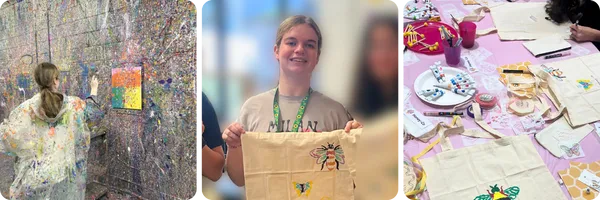
Visual arts: try paint, stencils and collage, then turn an everyday object into an oversized sculpture for a pop-up exhibition.
Product design: build a full-size mock-up of a speaker or gaming accessory with 3D-printed parts.
Where it can lead. Study: Certificate III in Visual Arts, TAFE NSW Bachelor of Creative Practice, Certificate IV in Design. Work: artist, gallery assistant, exhibition installer, product designer, model maker.
Music Production & Live Events
How music is made and how live events are planned and run, from recording and mixing to promotion and crew roles.
Music production: make a beat in GarageBand with a MIDI keyboard, record vocals or instruments, then produce and mix an original track.
Live events: design a line-up poster, then plan and run an end-of-year live showcase as a crew.
Where it can lead. Study: Certificates III and IV in Music, Certificate III in Live Production and Technical Services. Work: sound assistant, audio engineer assistant, event crew, event coordinator assistant.
Excursions, work experience and volunteering are offered where available and can’t be guaranteed. Study and work examples show where each industry can lead. They are not promised outcomes.
Program Highlights
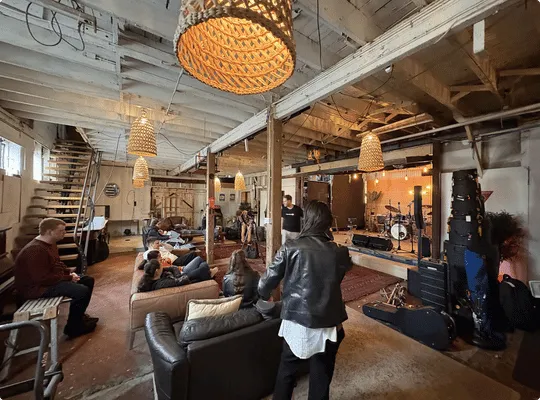
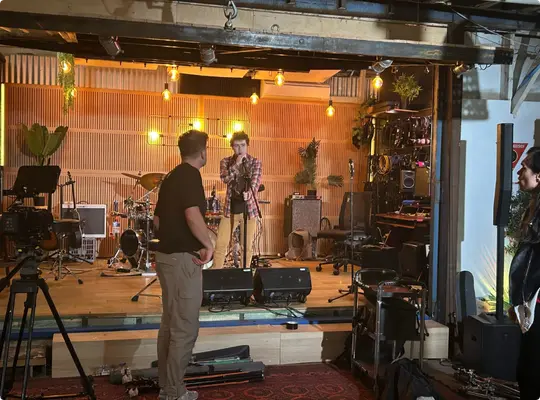
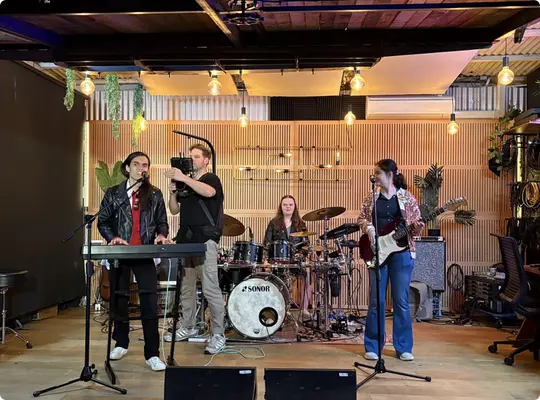
Exploring Creativity
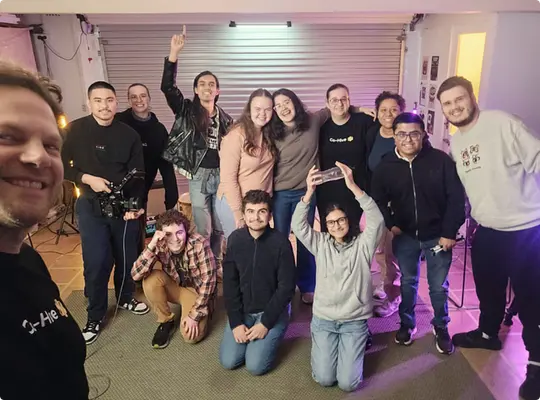
Building Community Connections
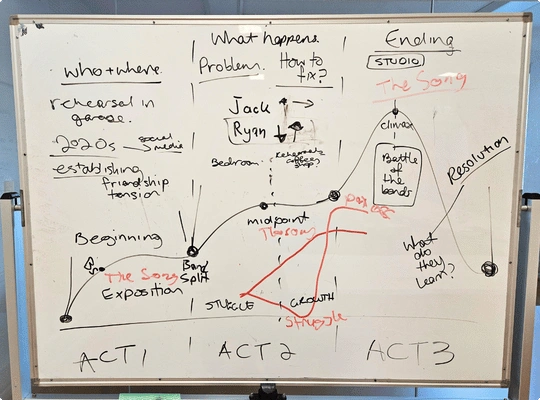
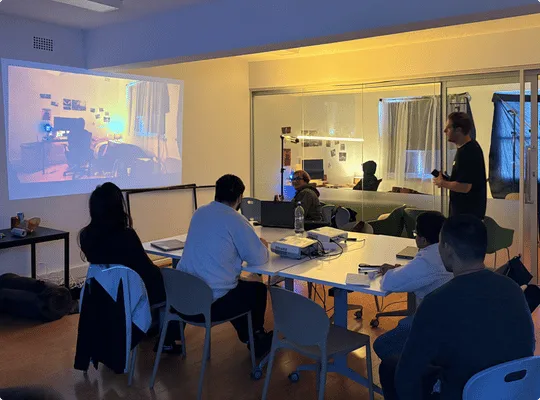
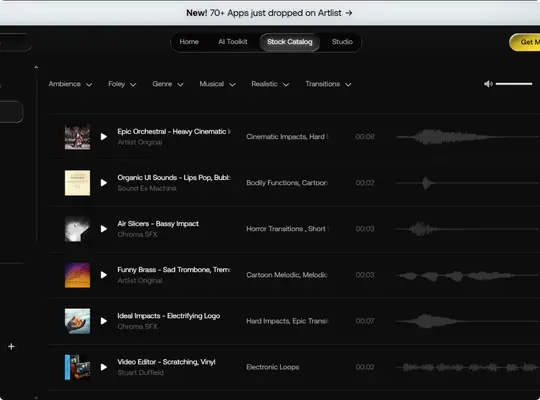
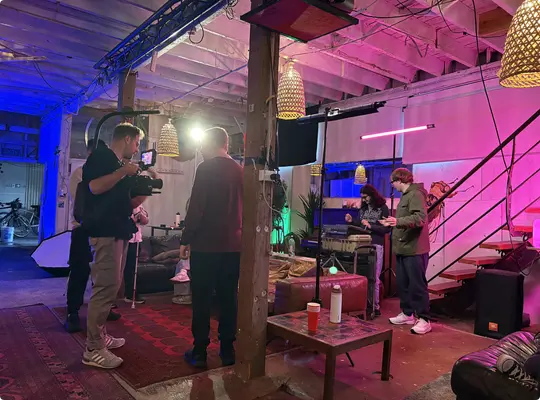
Creating a Film - From Start to Finish
Ready to join?
Entry is by application. Happy to chat first.
How to join
Already a Co-Hiver? Request a quote.
New? Send an enrolment enquiry.
Small groups
About 10 per group. Join at the start of any term if there’s a spot.
New in 2027: runs once enough people enrol.
What you need
Your own laptop and phone.
Homework, excursions and work experience are part of the program.
Cost and funding
Fee: [to be added]
Self- or plan-managed NDIS funding may cover it. Check with your support coordinator.
Terms and conditions apply.
Goals it supports
Co-Hive Employment Pathways Stages

Hear from our participants
Get In Touch“A learning highlight has been working with people who think and communicate in different ways. I learnt how to meet client briefs better, and then share ideas clearly with my team. I think I collaborate better now.”
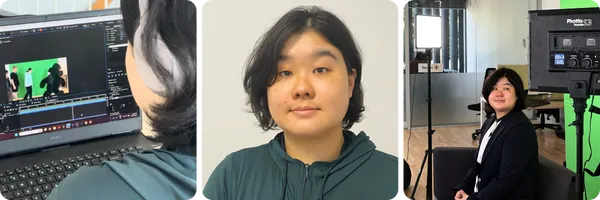
From Script to Screen Pathways
⭐⭐⭐⭐⭐
“What I most enjoy is doing productive work with my group. We worked together to produce this great body of work [film], and I felt very proud when our films were shown at the Co-Hive Film Fest!”
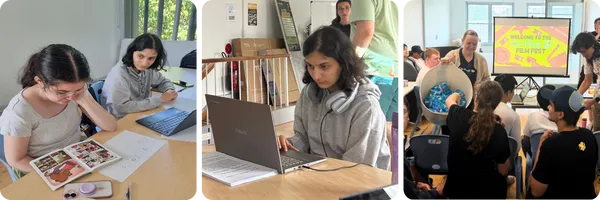
From Script to Screen Pathways
⭐⭐⭐⭐⭐
"Learning how to film against the green screen, add sound effects then edit my project, showed me how professional content is made and I want to explore that more."
From Script to Screen Pathways
⭐⭐⭐⭐⭐
"I enjoyed the behind the scenes tour at the STC which showed me different job roles at the theatre. We learned about the props, sets and special effects. I want to now learn more about creative jobs backstage"
From Drama Dynamics & Script to Screen Pathways
⭐⭐⭐⭐⭐
"I loved designing and painting my own tote bag. I used stencils, pictures and text, and learned how to sketch my ideas first. It felt great to take home something I created myself."
From Honey-Co
⭐⭐⭐⭐⭐
